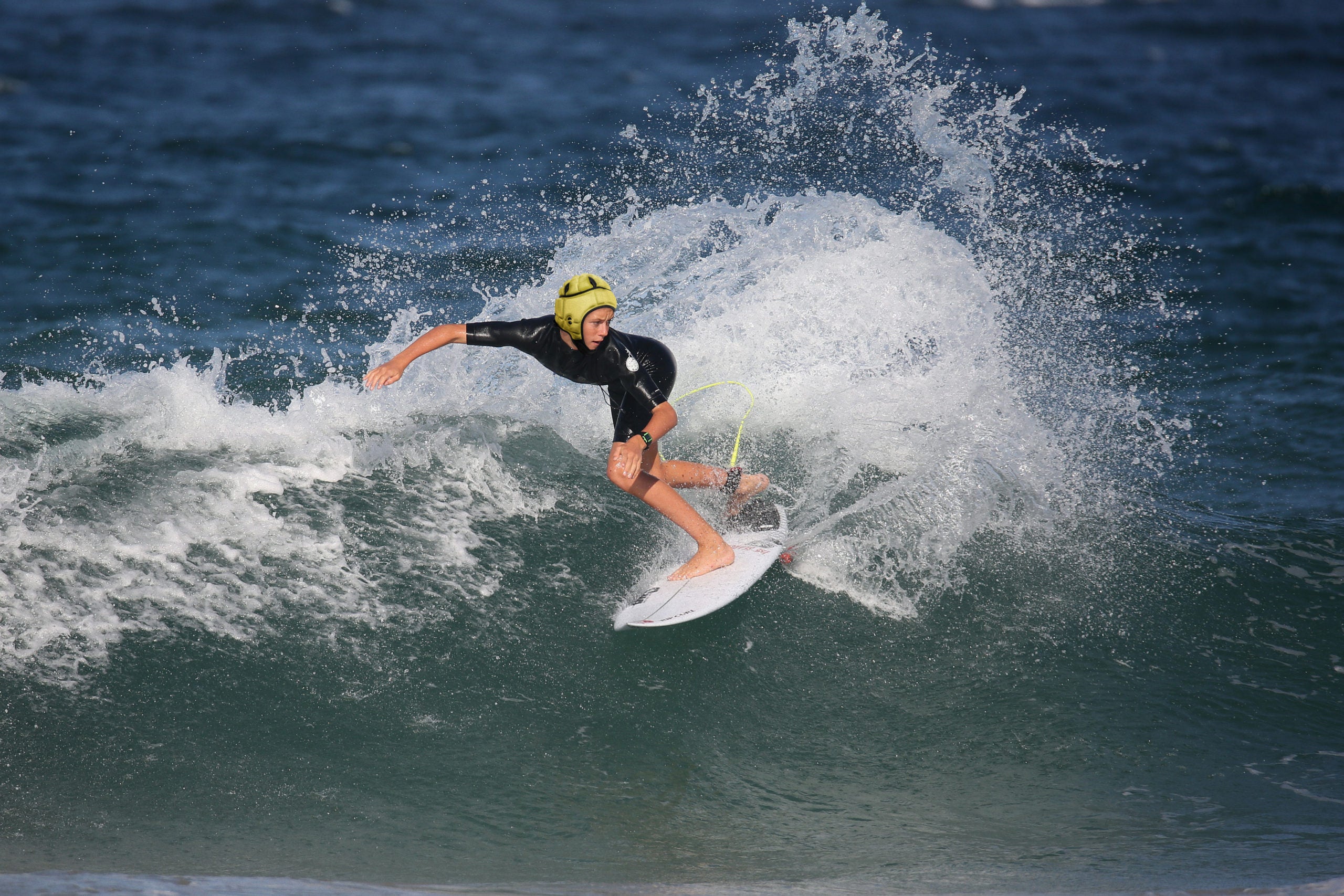
Interested in a surf helmet? Congratulations, you’ve got more common sense than most. Despite the well-known
risk factor for those participating in the Sport of Kings, helmets are still an unpopular choice, even at extremely heavy waves like Pipeline and Teahupo’o. However, that could be changing as high-performing, and high-profile, athletes such as
Owen Wright and Albee Layer have donned head gear in the water at waves of consequence, and crowded lineups are giving all of us more and more reason to follow their lead, powerful waves or not. And if you’re looking to get in the water to do some
shooting instead of surfing, a helmet is a must, especially when paddling close to the action with surfboard fins slicing through the water inches from your head.
What Features Matter in a Surf Helmet?
Similar to a
surf hat, the main criteria for a surf helmet is it’s gotta stay where it is, especially when duck diving. And unless you’re donning a helmet for a chaotic surf gathering like
this one, chances are you’re putting one on to surf a more powerful wave, and will be doing plenty of duck diving. Duck diving puts an inordinate amount of backwards pull on the head area as the wave washes over you towards shore (excuse my layman’s terms, I’m no physicist), and if your helmet doesn’t fit properly, or worse, isn’t made for surfing, it’s going to be swinging around your neck, full of water and choking you with the chinstrap. Not exactly the picture of safety. Tightening the chin strap is easy, but buying another helmet after the first one doesn’t fit or doesn’t work will hurt the wallet. So when searching out the perfect surf helmet, choose wisely.




Share:
DePaul Catholic off to fast start after changing practice sessions
The Southern Maryland Youth Flag Football League is all about Fun, Sportsmanship & Safety